Public Support for Modern Mobility
Public Mobility Guidance for Riders and Communities
Public mobility guidance helps residents and riders understand how modern mobility devices can be used safely and legally. As e-bikes, e-scooters, low-speed vehicles, and similar devices become more common, rules often feel unclear or inconsistent.
For this reason, Mobility Policy provides public mobility guidance in plain language. Instead of legal jargon, we focus on clarity and everyday understanding. As part of our broader mobility policy consulting services, we help communities support safer streets and shared spaces.
Understanding Where You Can Ride
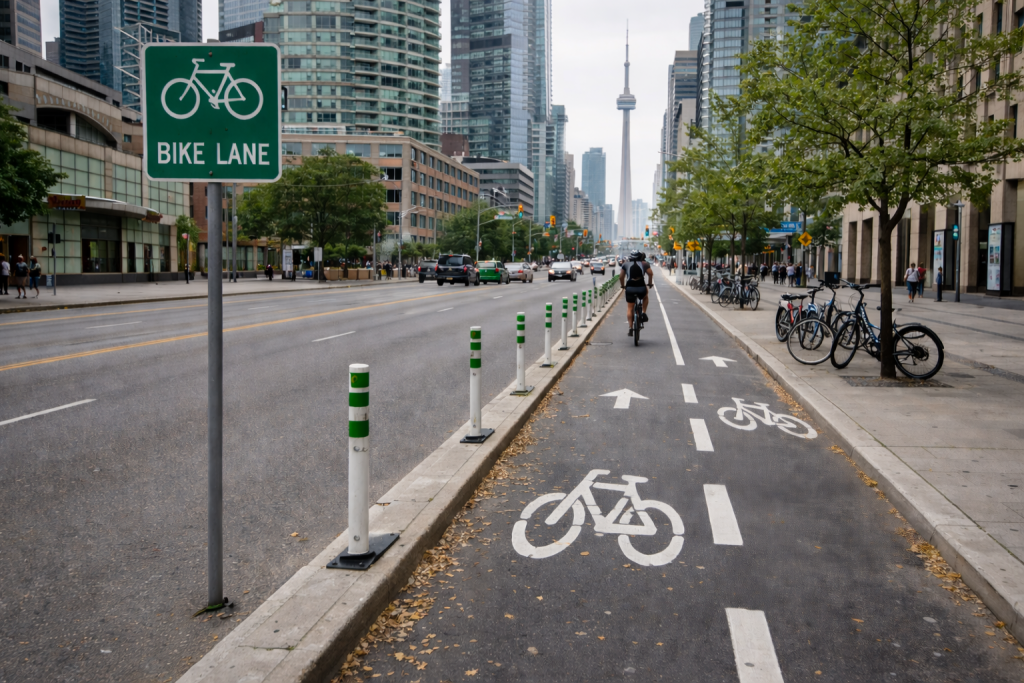
Where a device can be used is one of the most common questions riders ask. Public mobility guidance explains these rules clearly, including when riding is allowed and when it is not.
For example, requirements may differ between sidewalks, bike lanes, and roads. In addition, rules can change between city centres and residential areas. As a result, clear guidance helps riders make informed choices and avoid unintentional violations.
Speed Limits and Equipment Requirements
Speed limits and equipment rules vary by device type. Because of this, riders often need simple explanations before they ride.
Our guidance covers:
– Posted and device-specific speed limits
– Required safety equipment
– Visibility and lighting rules
As a result, riders understand their responsibilities and can prepare properly.
Device-Specific Rules and Legal Use
Not all devices follow the same rules. Therefore, public mobility guidance explains how requirements change by device type.
This includes:
– What is legal versus illegal
– How rules differ for e-bikes, scooters, and other devices
– When special conditions or exceptions apply
Where appropriate, this information aligns with federal road safety guidance and local regulations.
Supporting Safer Behaviour Through Education
Clear education supports safer behaviour. When riders understand the rules, compliance improves and conflicts decrease.
At the same time, municipalities and enforcement teams can share these materials easily. Because the guidance uses plain language, it works well for websites, print materials, and public outreach.
Upcoming Additions
Public mobility guidance continues to evolve. Over time, new tools and resources will be added to expand coverage.
Planned additions include:
– Province-by-province and state-by-state rule summaries
– Maps showing permitted riding areas
– Printable safety checklists for riders and communities
Our Goal
Ultimately, the goal is to make mobility rules easy to understand and easy to follow. Through public mobility guidance, communities can support safer behaviour, clearer expectations, and better shared use of public space.