Mobility Options Explained
Mobility options explained in clear, practical terms help communities understand how a wide range of modern devices fit into today’s transportation environment. This resource provides a common reference for municipalities, enforcement teams, and the public by outlining what different mobility options are, how they are typically used, and why clear, consistent rules support safety, access, and shared use of public space.
Some mobility devices are classified at the federal level under Transport Canada’s vehicle classifications, while other rules and classifications are set by provinces and territories based on how and where vehicles are used locally.
So many new mobility solutions!
Sample Vehicle Types
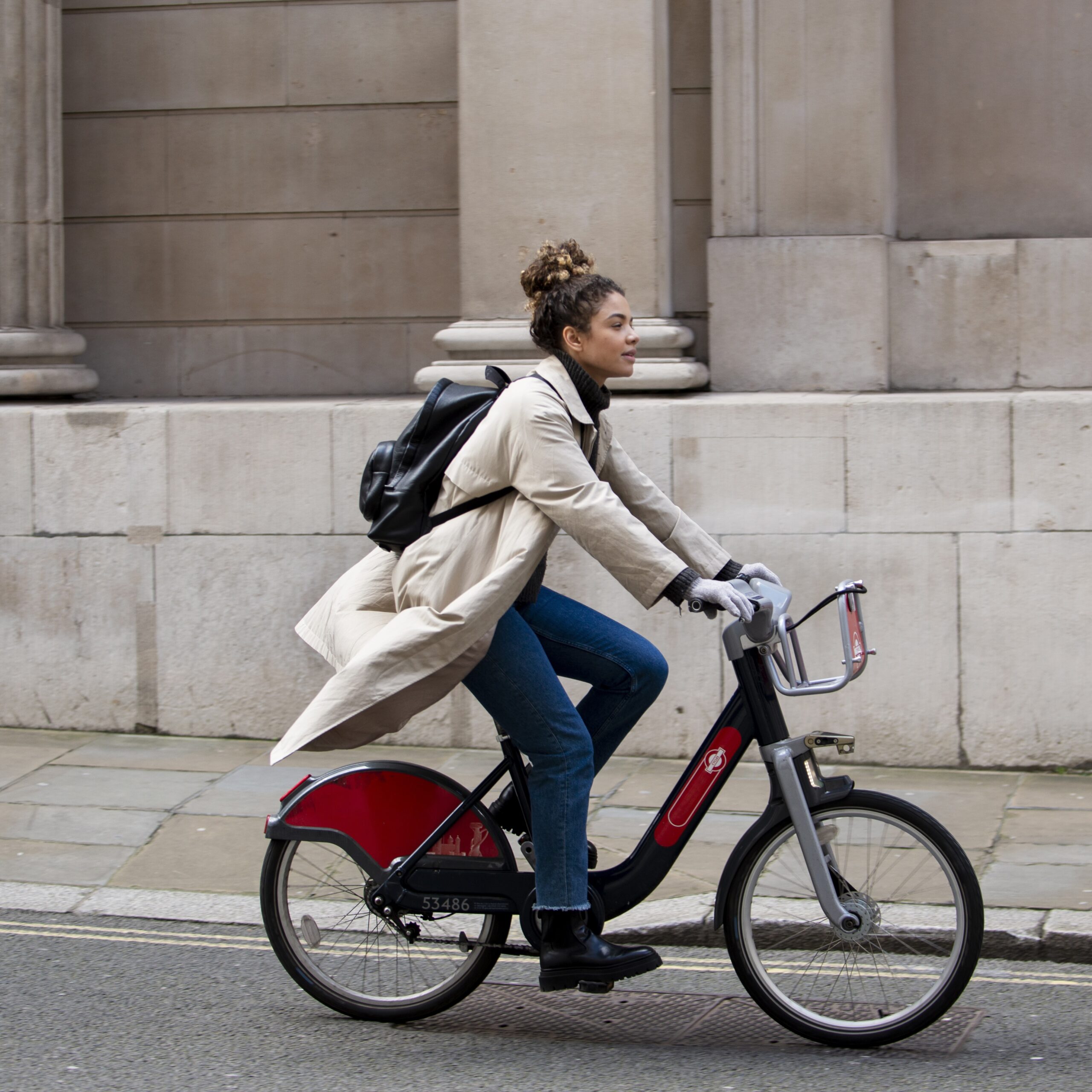
eBikes
Dozens of options, with various speeds, weight, and motor sizes
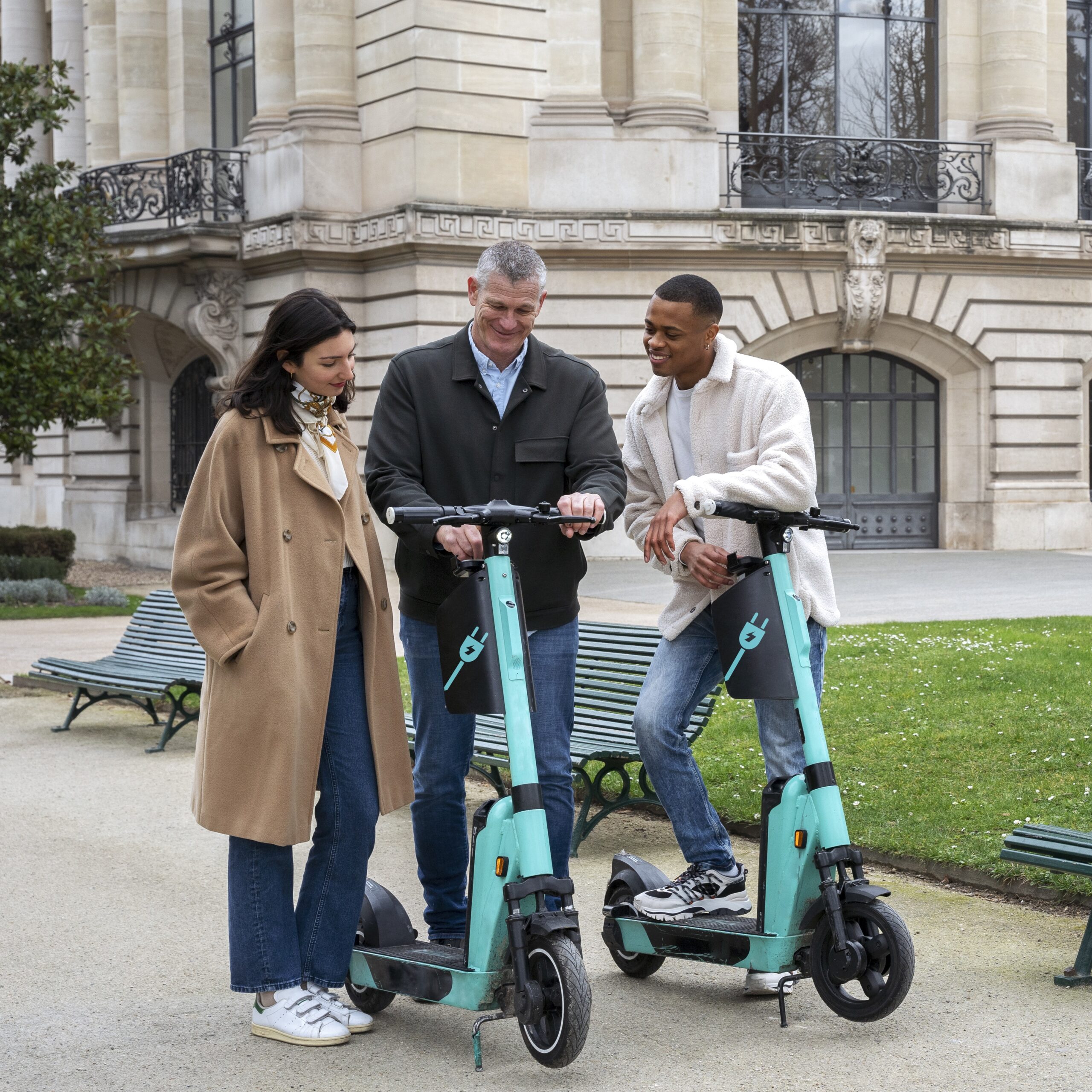
eScooters
Sometimes called “Electric Kick Scooter”, can vary in size, weight, safety features, and speed.
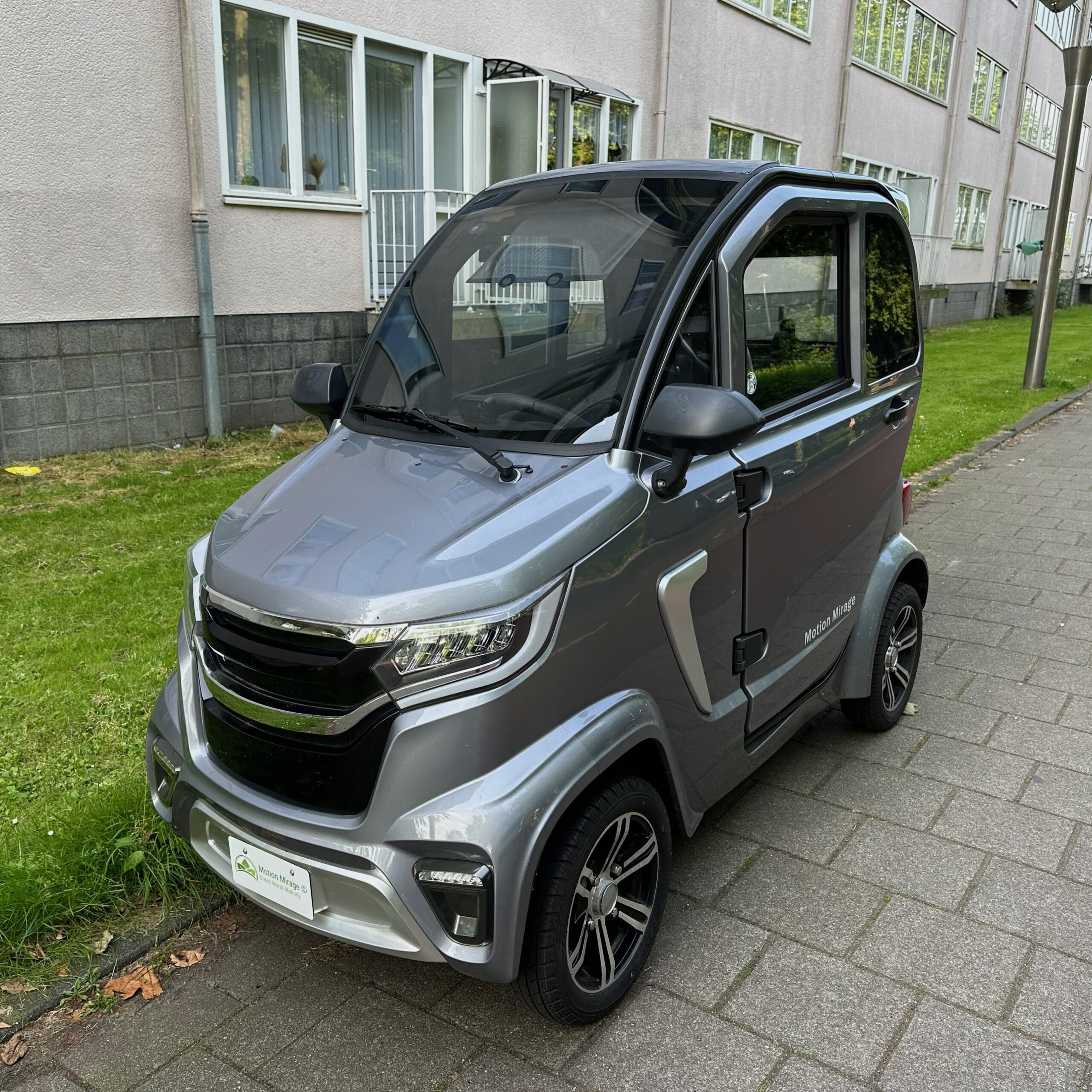
Mobility Scooter
Enclosed, opened aired mobility scooters are mostly considered “pedestrians” and therefore have a different set of rules.
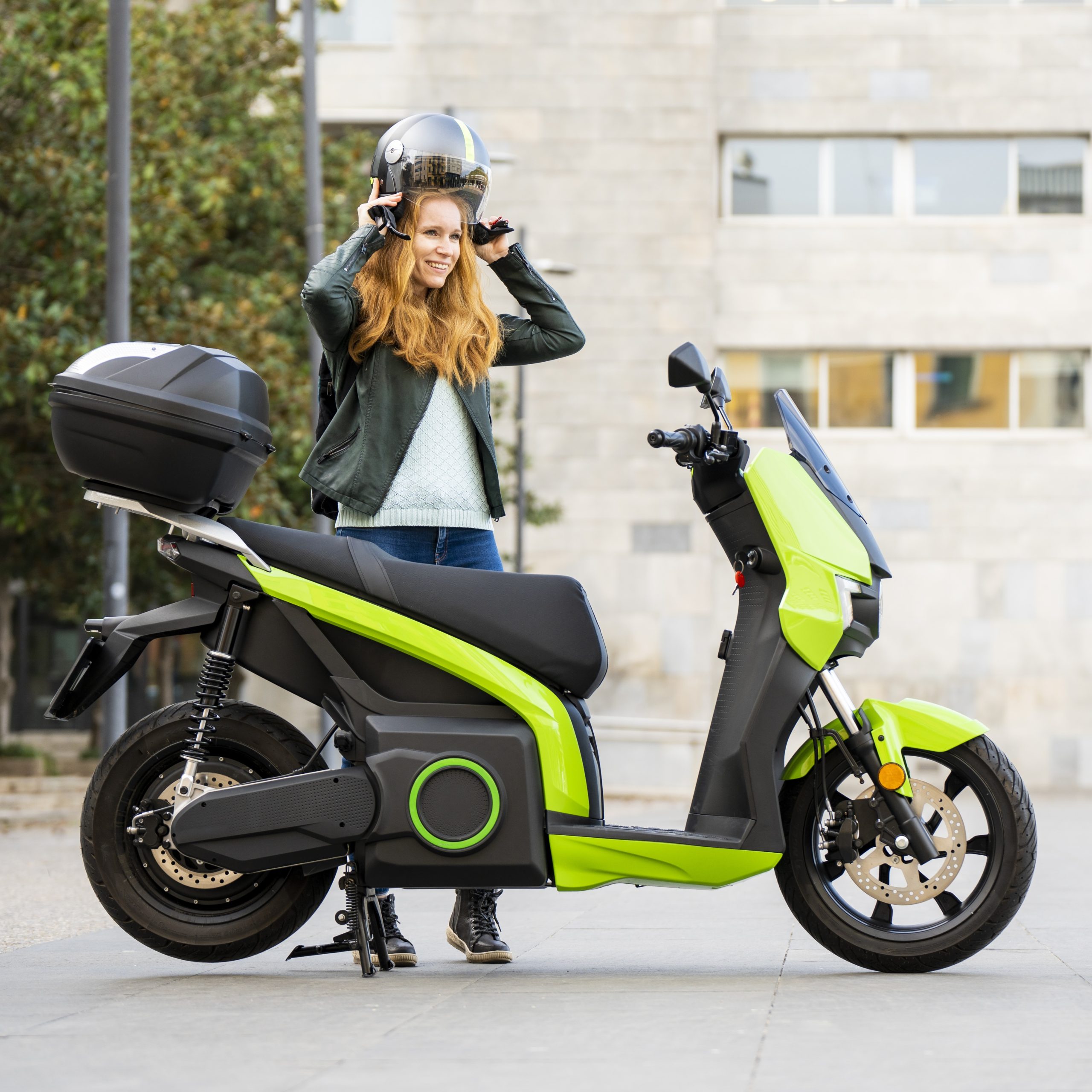
eMoped
Low powered, but highly capable, motorcycle style transportation
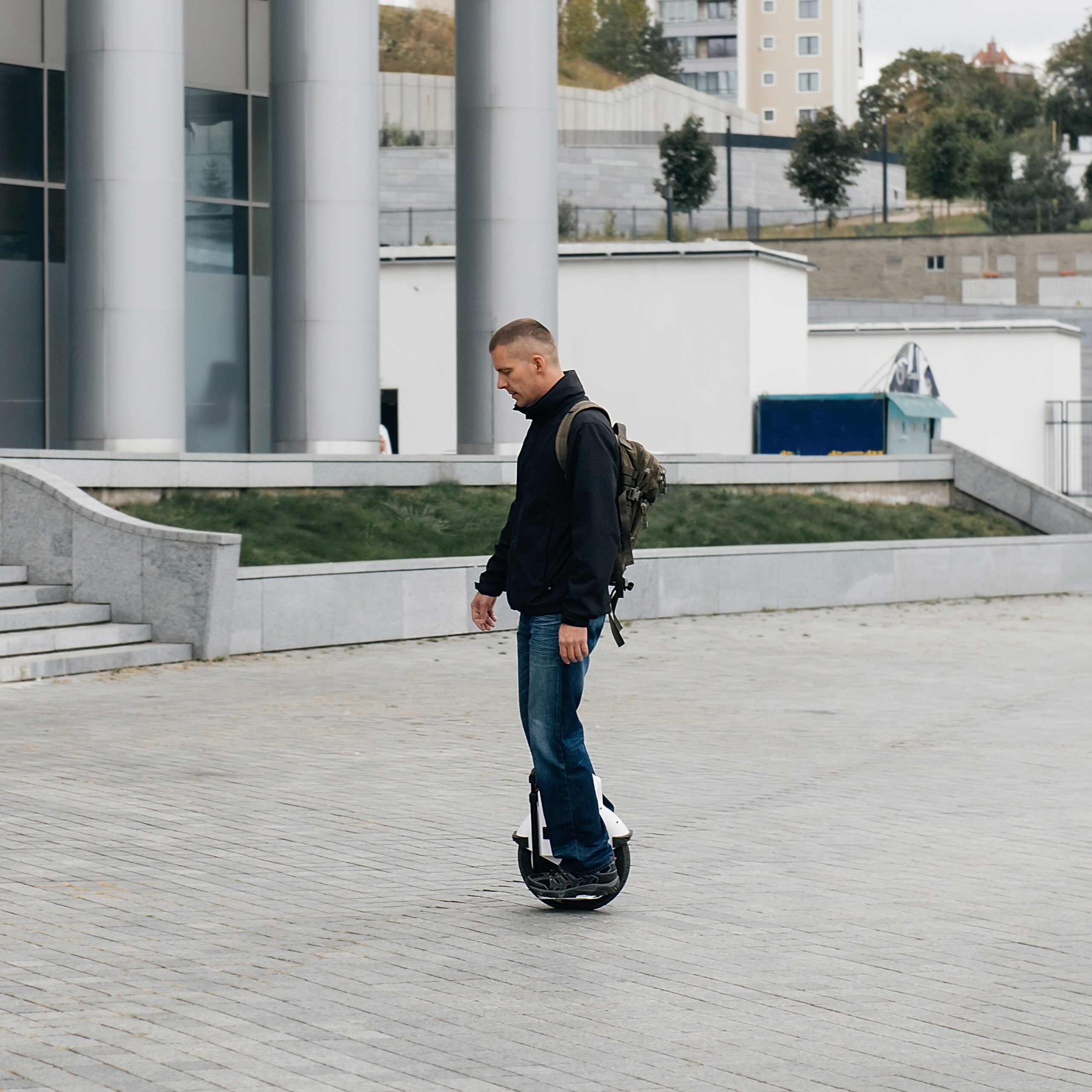
eUnicycle
Mono-wheel, 1 wheeled solution, convenient and portable.
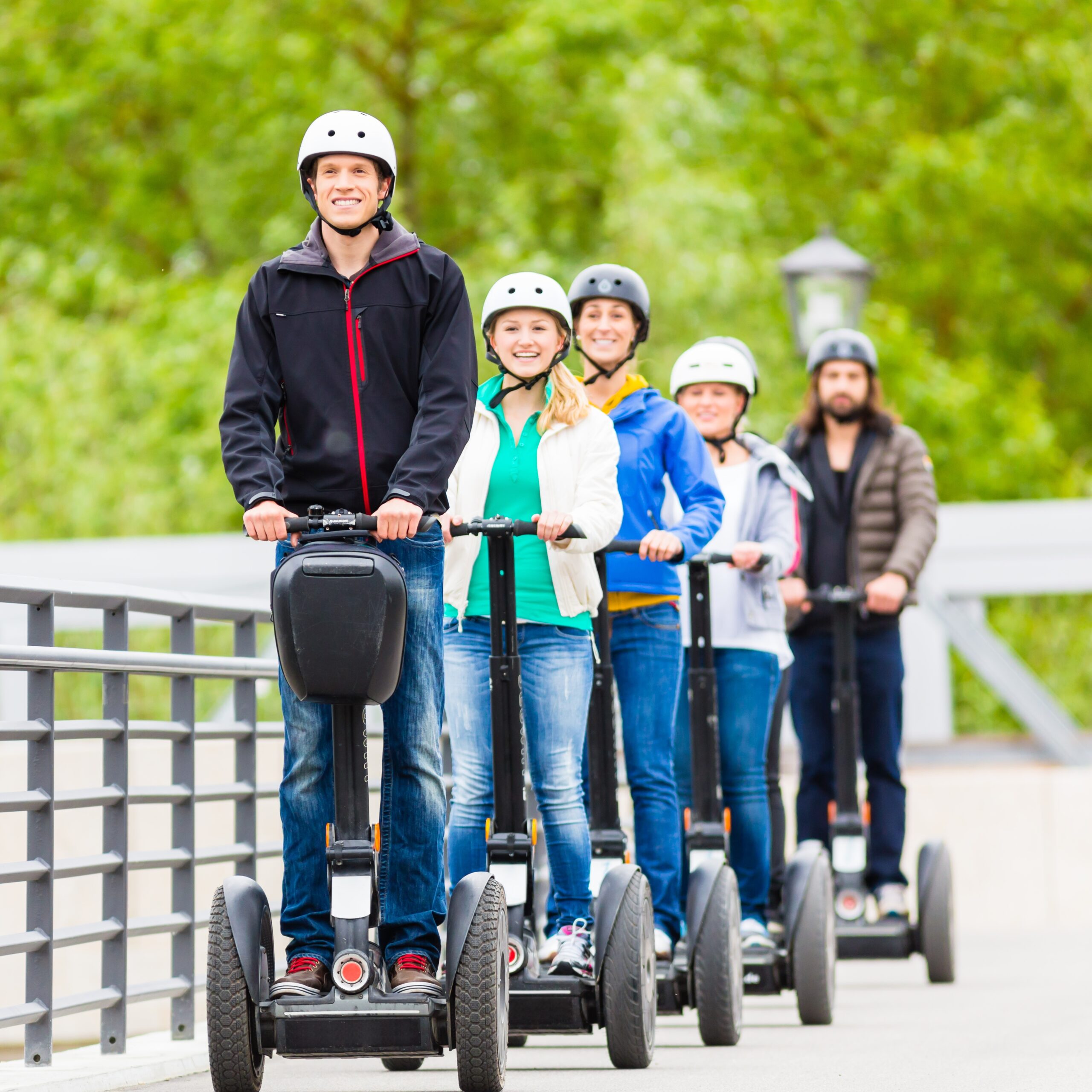
Self-Balancing Personal Transporters
The famous brand being the Segway Personal Transporter, loved by Steve Jobs.
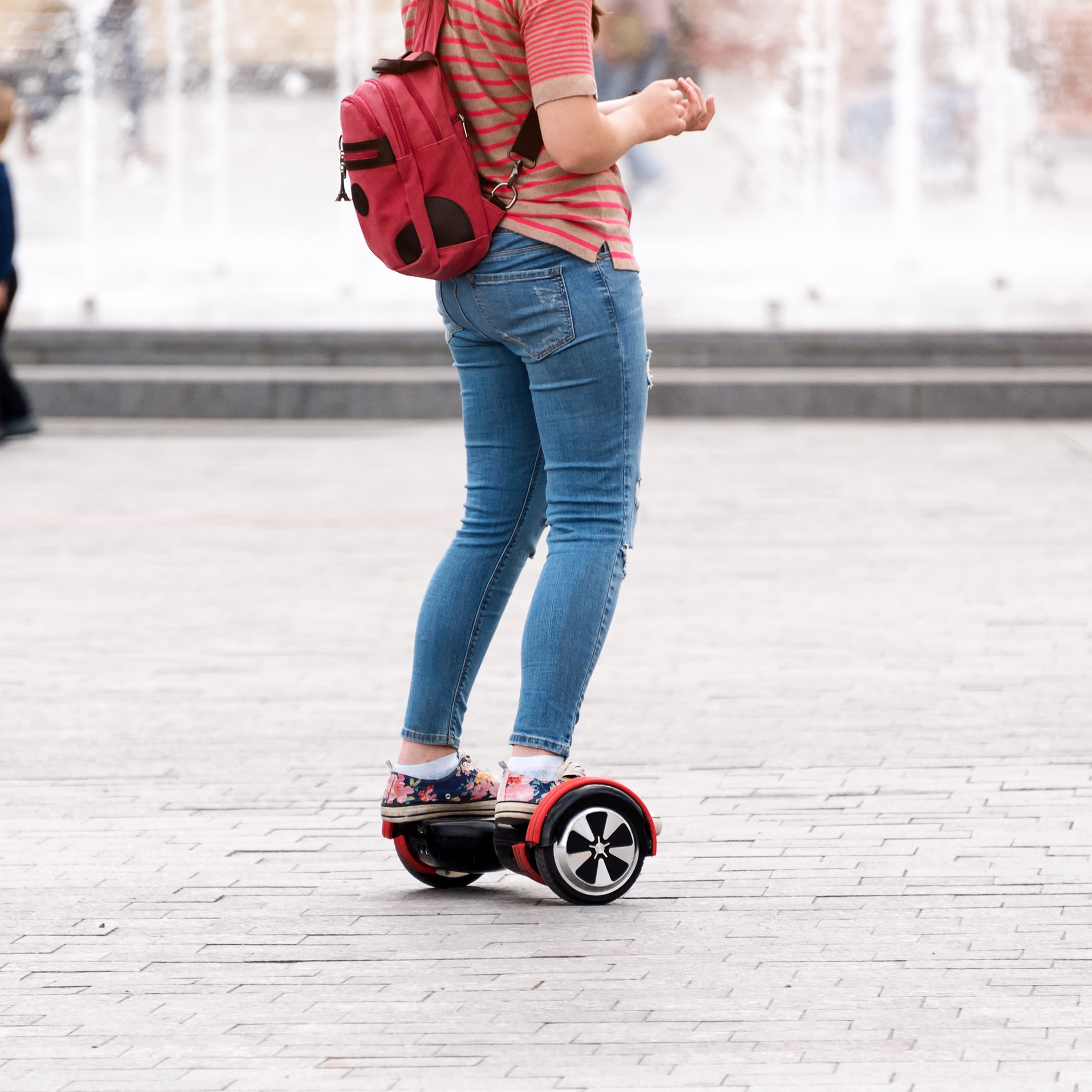
Hoverboard
Popular with younger individuals, low cost and portable.
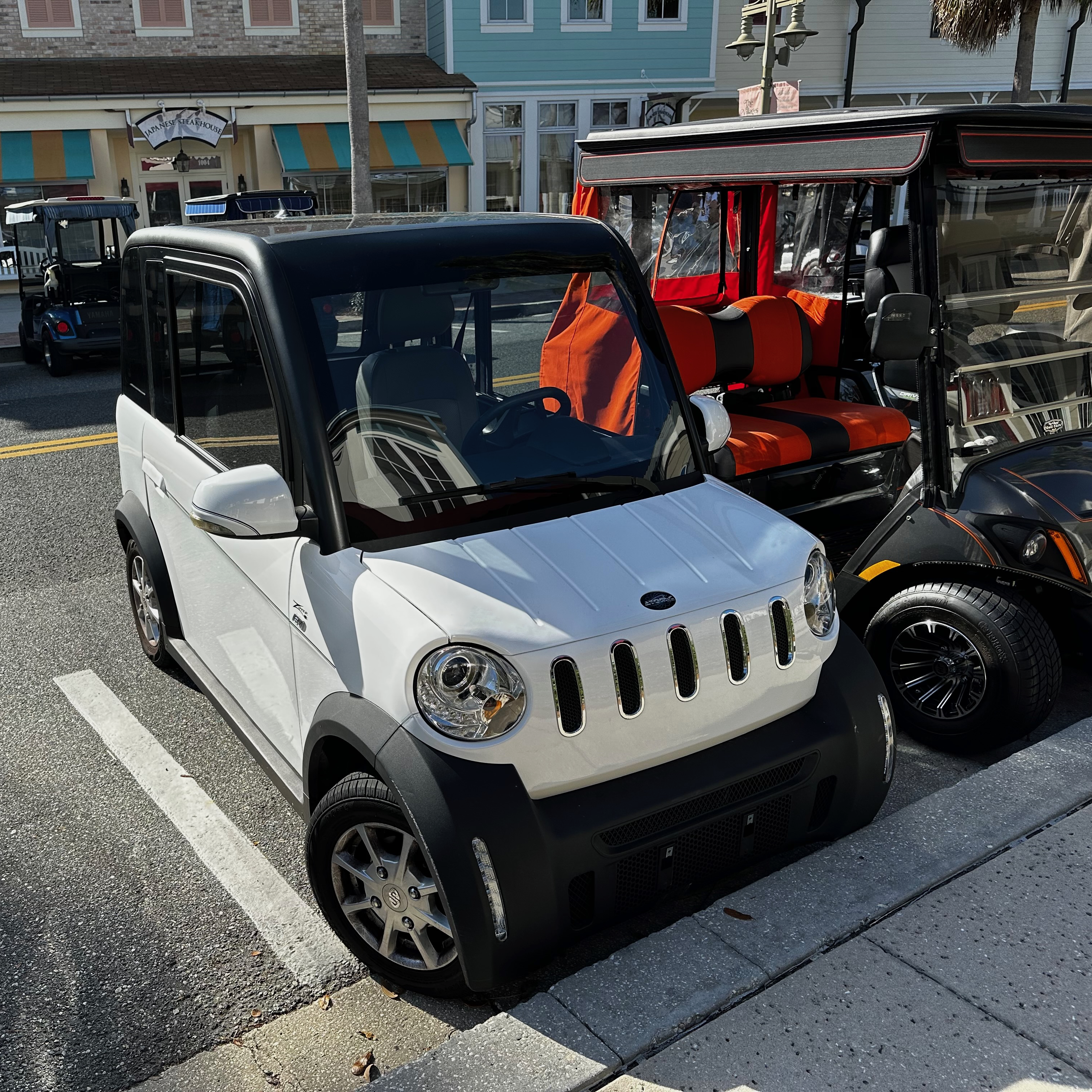
LSV/NEV
Low speed vehicle designed for urban (and suburban) transportation.
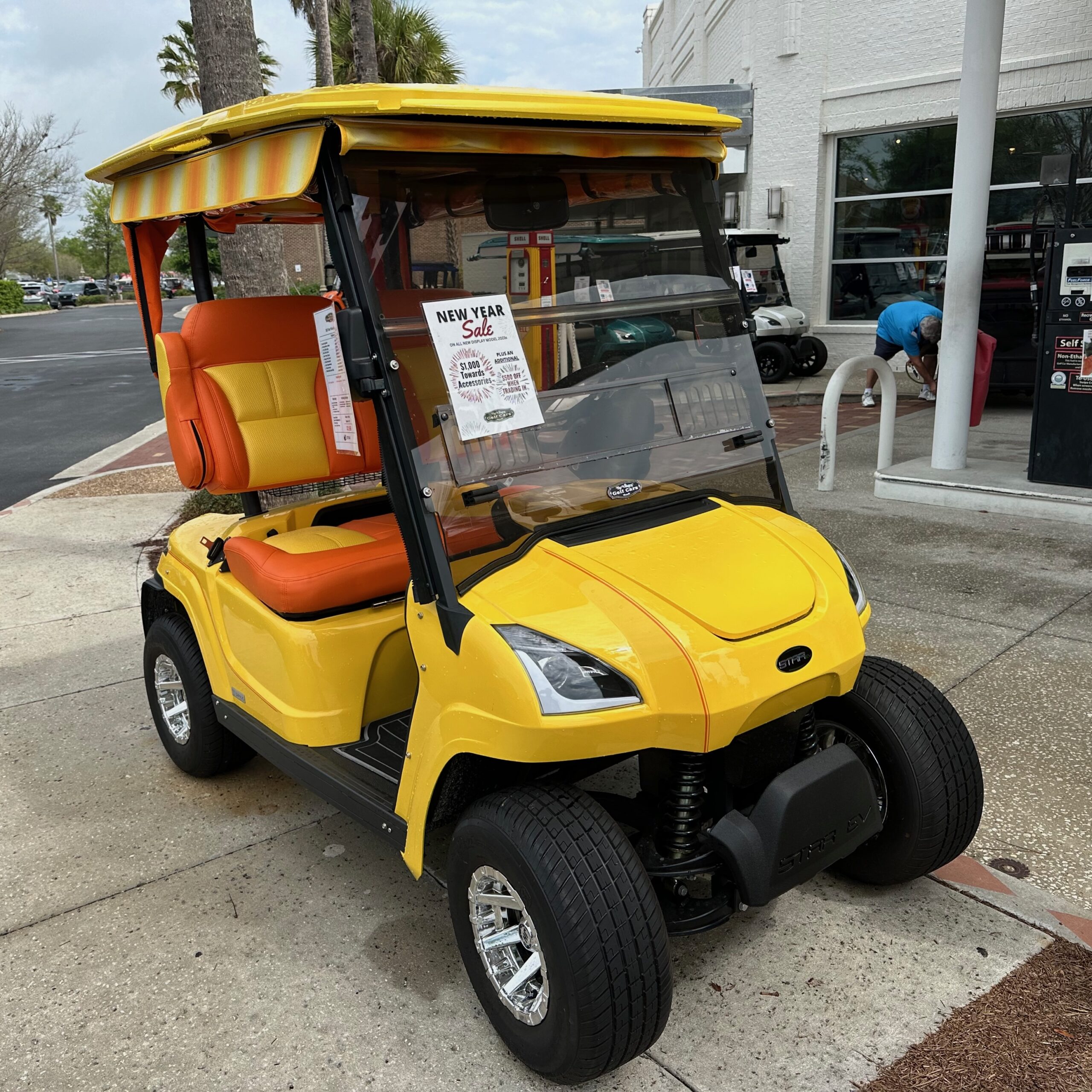
Golf Carts
Golf course vehicles suitable for extended use.
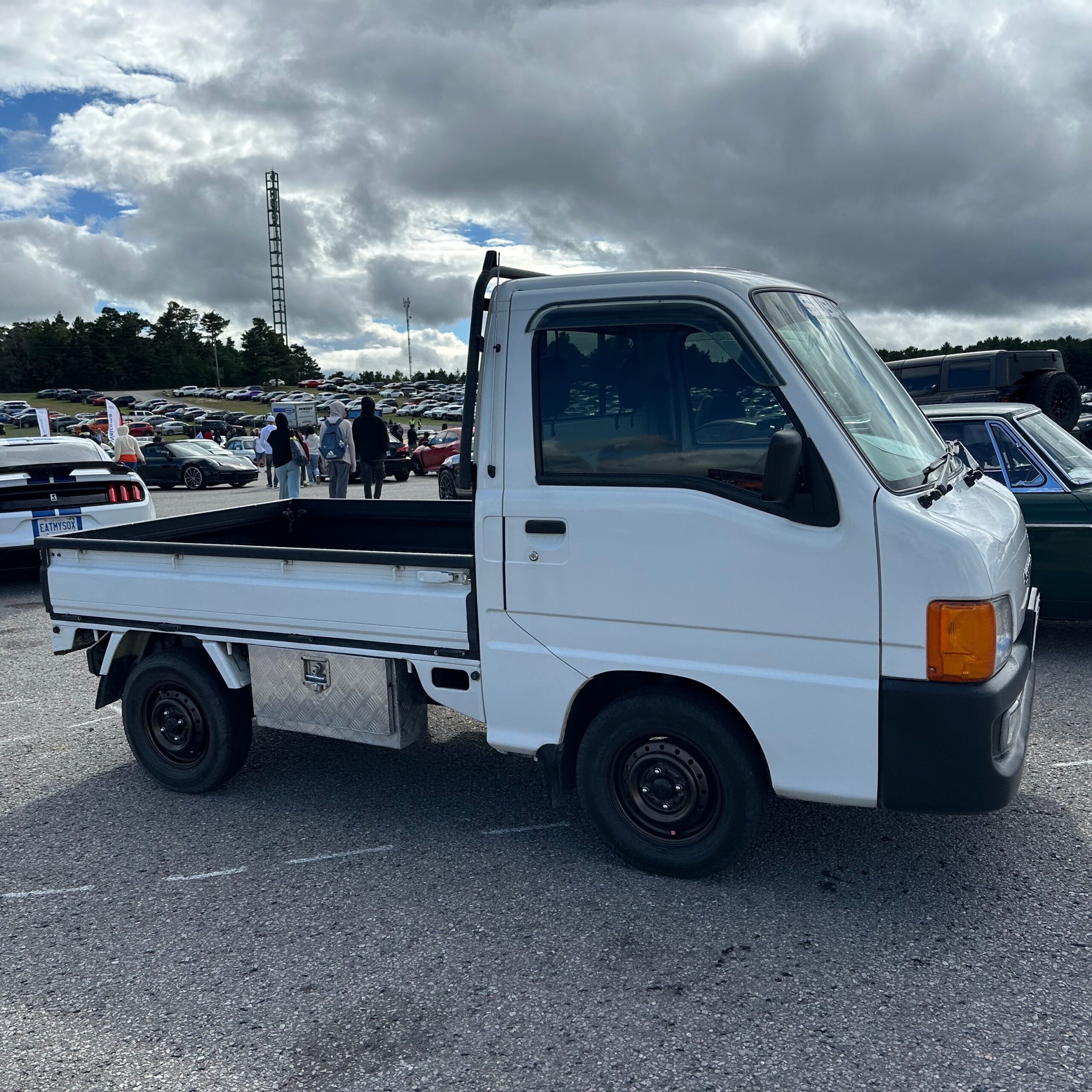
Kei Trucks (and Cars)
Small vehicles design and (currently) built in Japan.
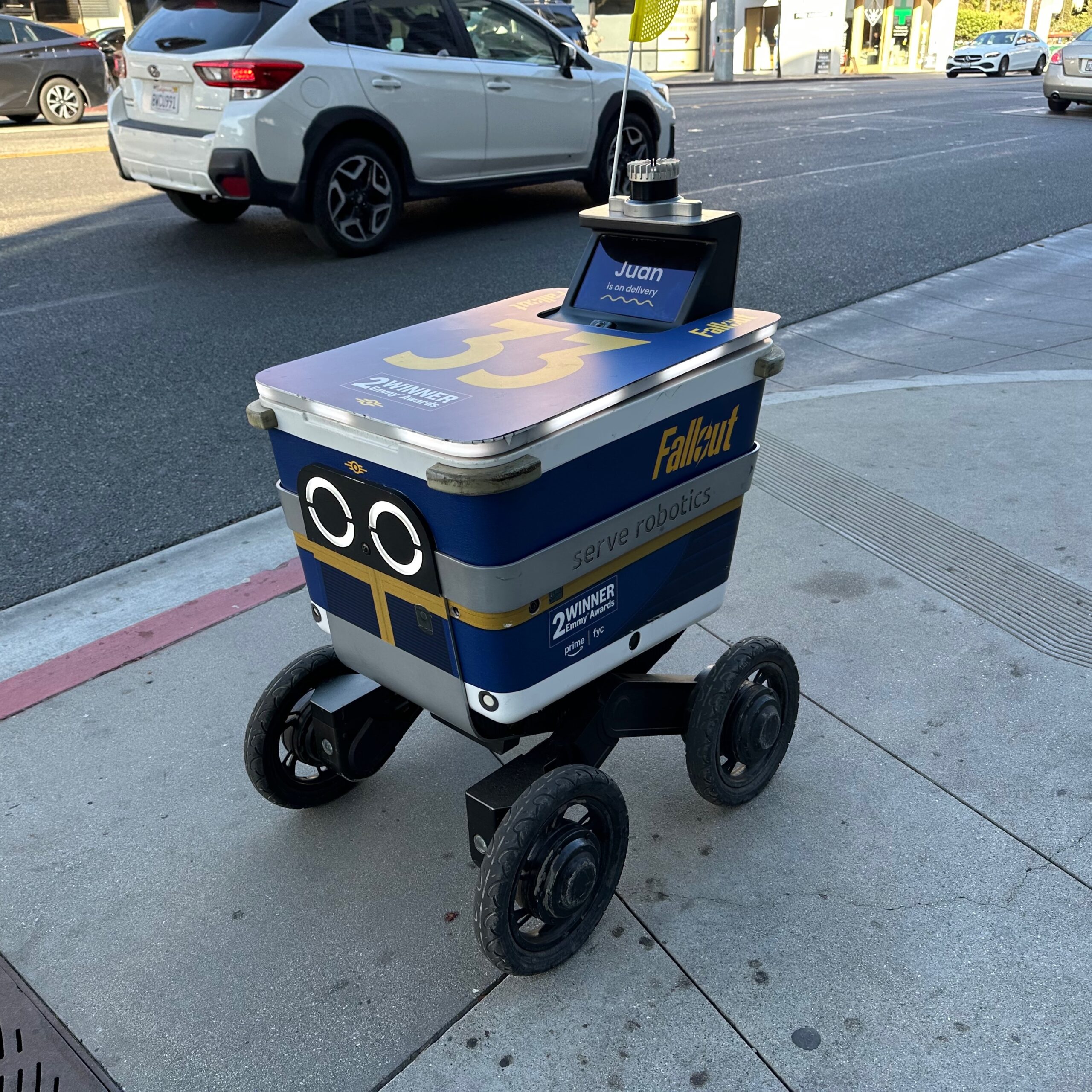
Self Driving Delivery Robots
Delivery robots used for package deliveries.
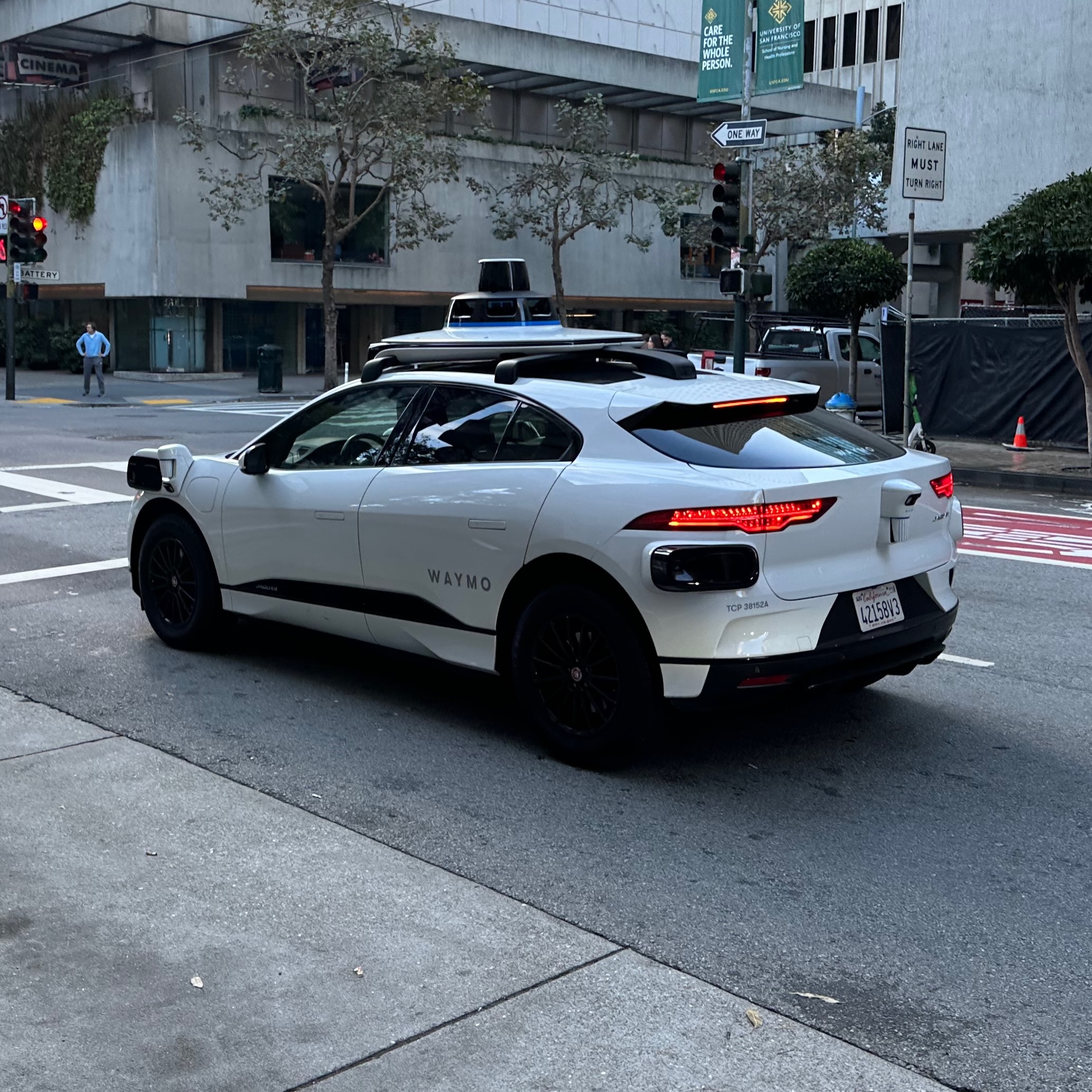
Self Driving Vehicles
Self diving vehicles for assisted driving or full robot (self-driving) taxis.
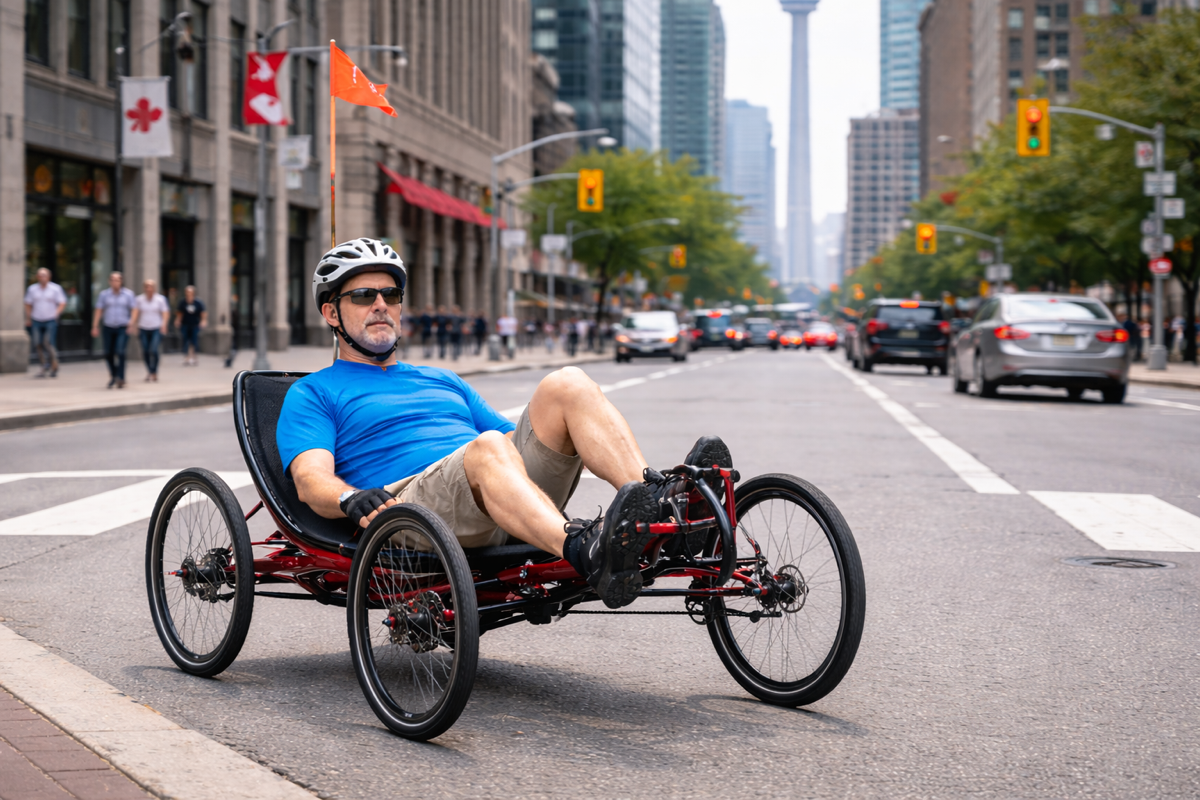
Recumbent
Human-powered vehicle where the rider reclines in a laid-back position.
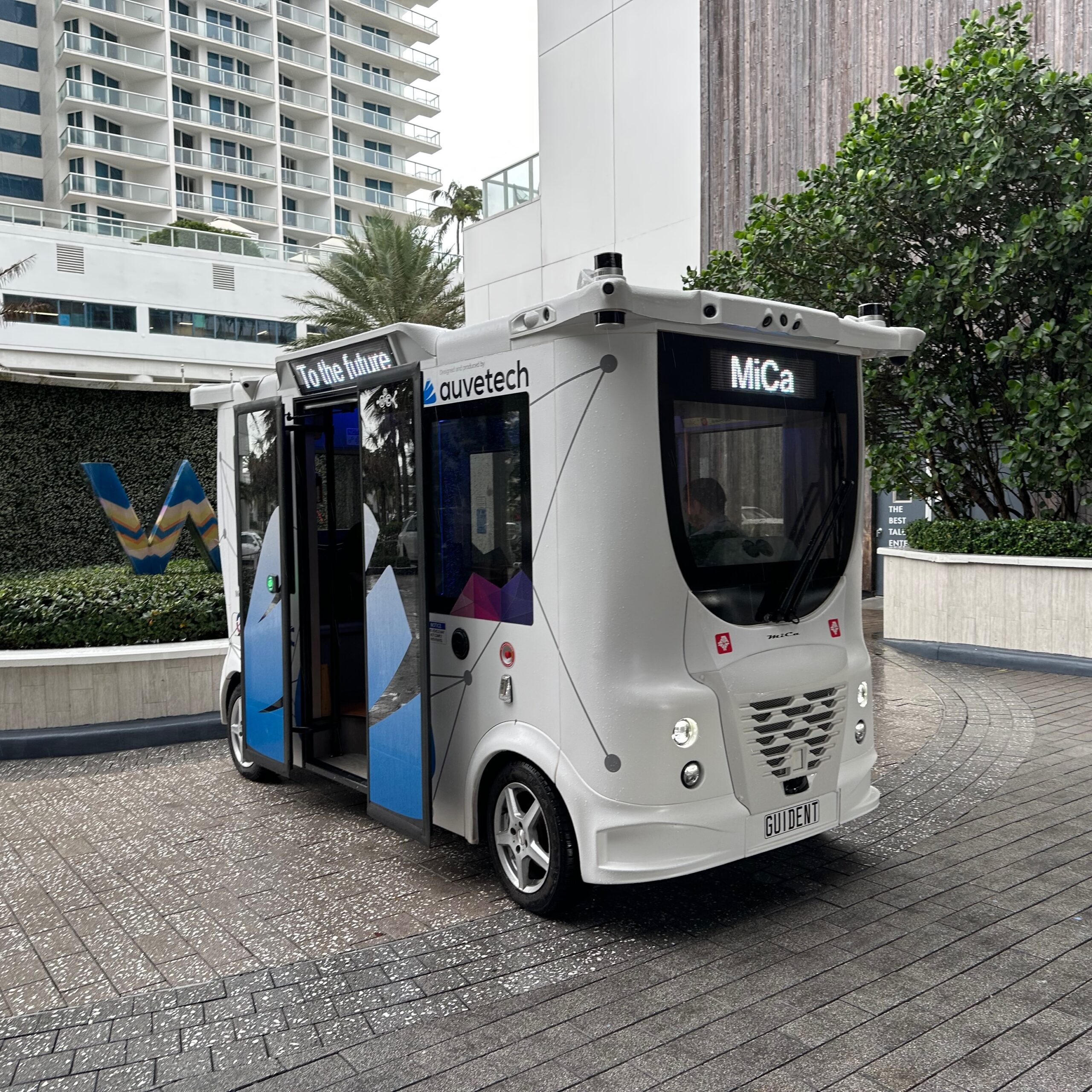
Self Driving People Movers
Purpose built self-driving vehicles, more capable than cars.
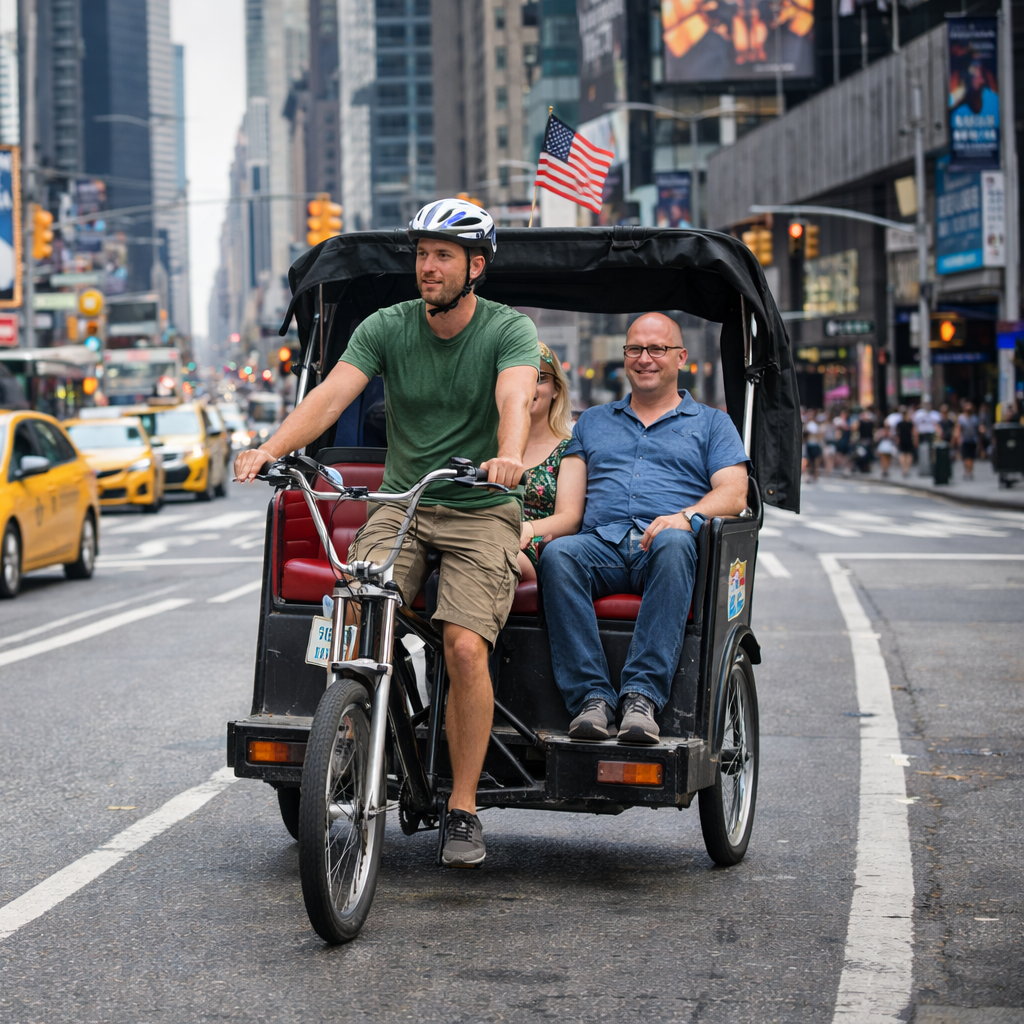
Pedicab
Human (and/or electric) powered mini taxis ideal for tours, small distance taxi services.
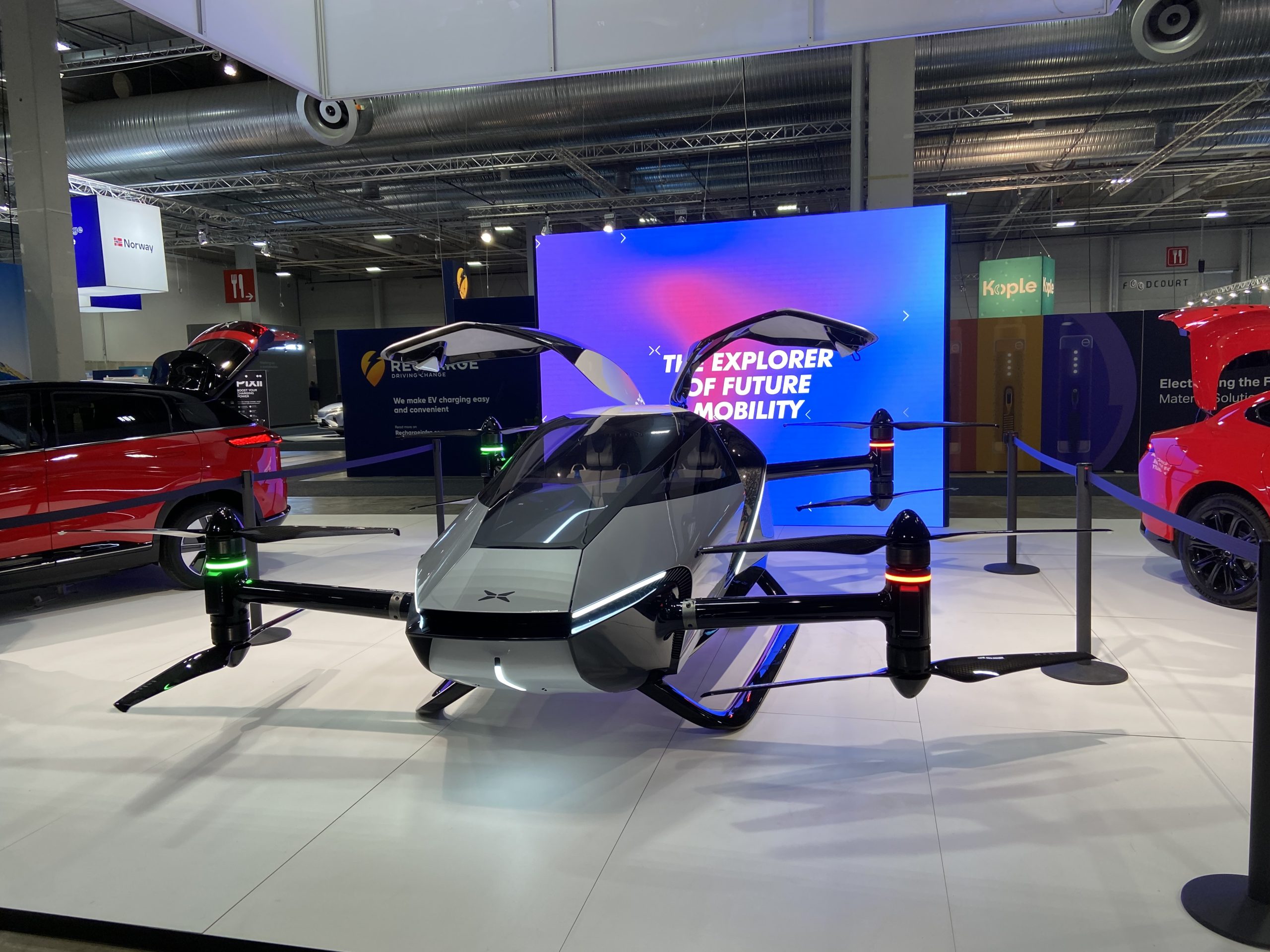
eVTOL
Personal flying (or hovering) cars are becoming a future option.
Nearly all these solutions require municipal support and (sometimes) approvals.
And some are not permitted even with municipal support!